Topics
The threads we keep following, each one gathering every story and every debate we have published on it.

Three crises have given Türkiye something to offer, and in Mecca it signed a joint defence agreement with Saudi Arabia and Pakistan. What Ankara wants for itself, the F-35, a seat after UNIFIL, Cyprus and the customs union, is still decided by others.
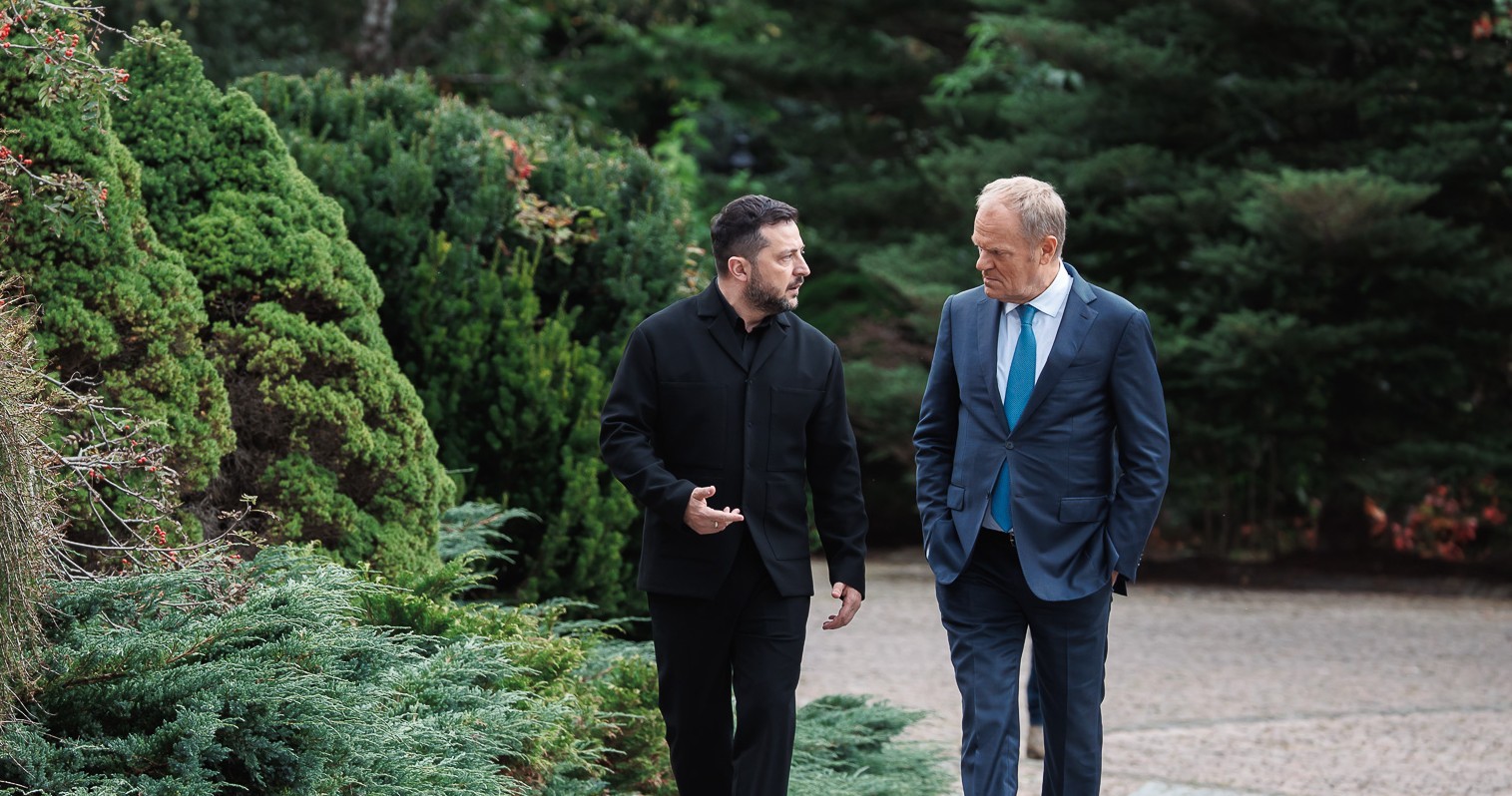
Europe funds Ukraine with the interest on Russian reserves it has chosen not to confiscate. At sea it uses a different instrument: a flag check under Article 110, which lets a warship stop a tanker but not keep it. In August the US Senate voted for a third route, tariffs on countries that buy Russian oil.

The war began on 28 February 2026 with American and Israeli strikes that killed Iran's supreme leader. The ceasefires since have broken down, and the June memorandum settled neither of the two questions the war is about: the nuclear programme and the Strait of Hormuz.
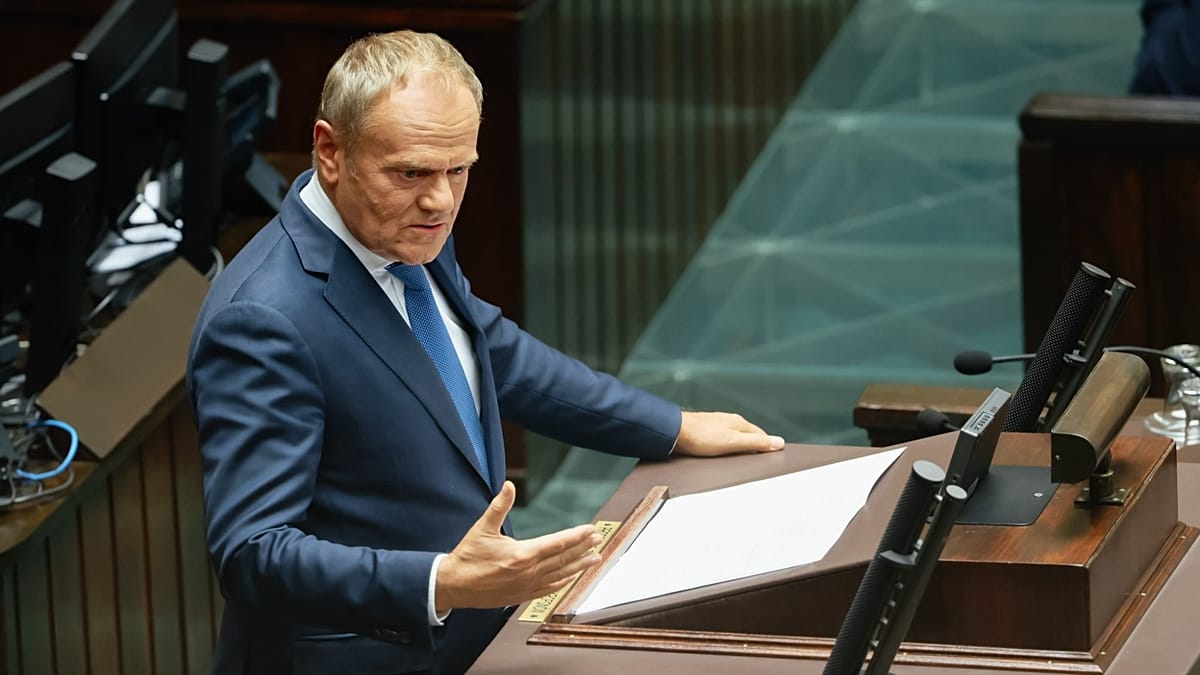
Germany blames Russia for an explosive drone found at an airport that supplies Ukraine, and a month on, the EU is still looking for an answer that stops short of military means.
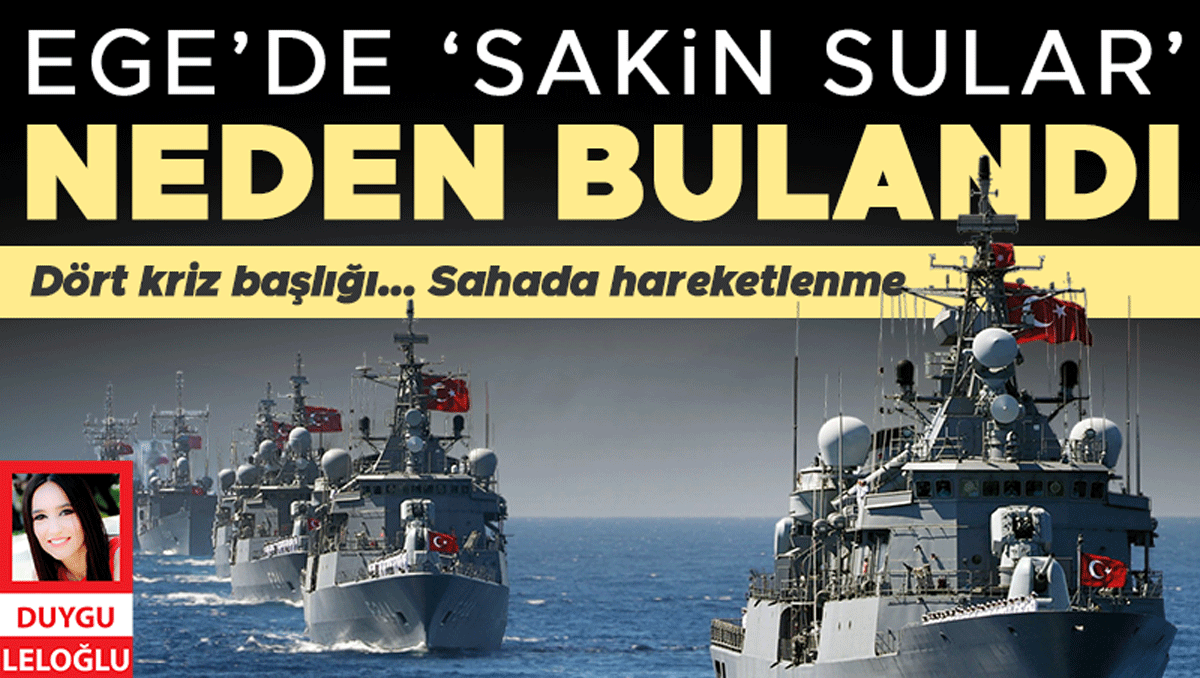
The Aegean argument is now fought with marine parks and energy plans, because the one move that would widen Greek waters, from six nautical miles to twelve, is the move Türkiye's parliament called a cause for war in 1995.
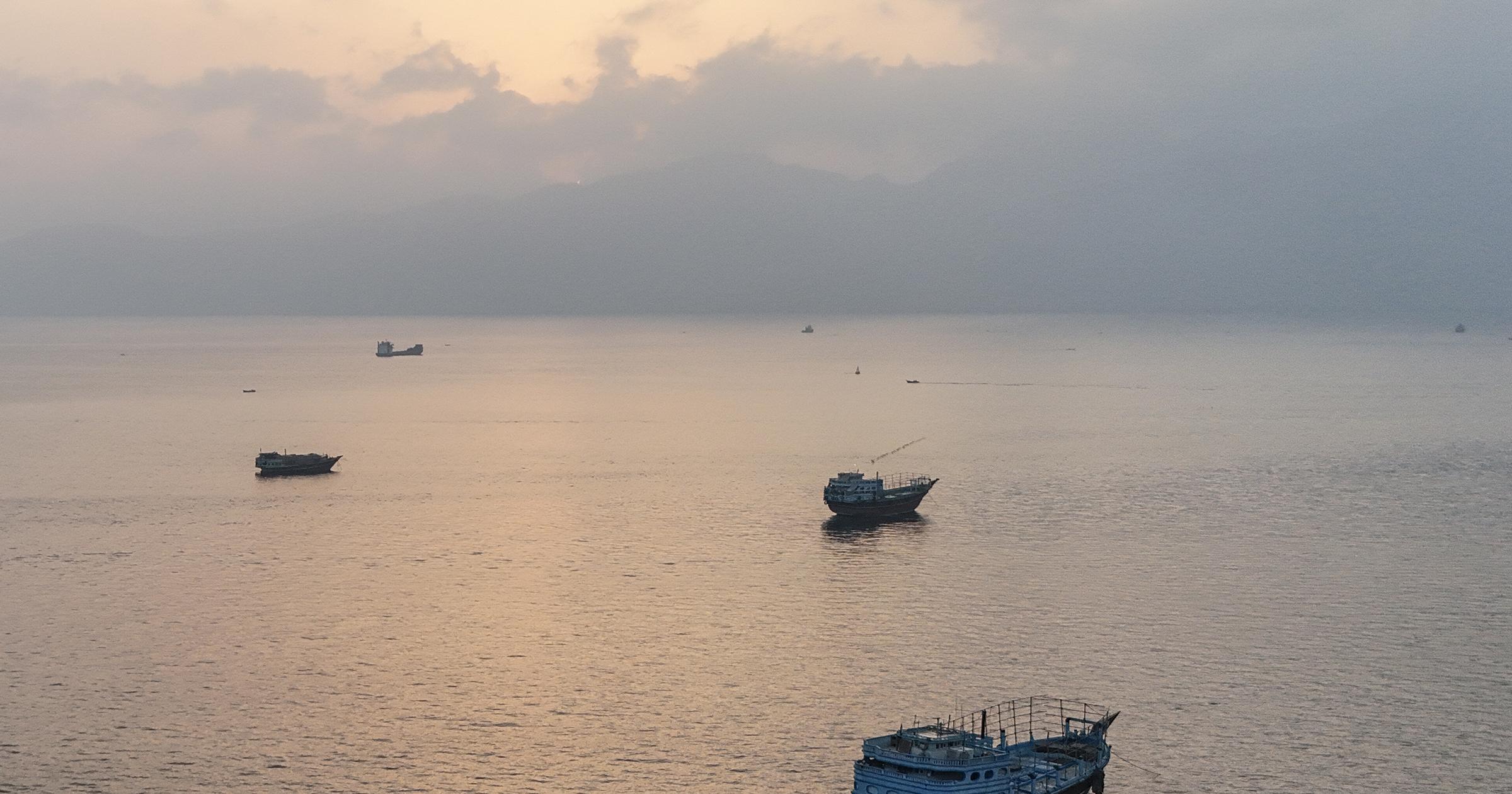
The strait carries oil equal to about a fifth of world petroleum liquids consumption and about a fifth of traded liquefied natural gas, and on EIA's June 2025 estimate the pipelines around it hold only some 2.6 million barrels a day of spare capacity, which makes control of passage a lever long before the strait is fully closed.
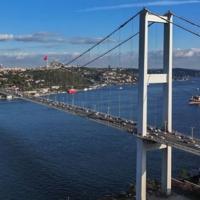
Official inflation fell to 31.75 percent in July, but the central bank has not moved its policy rate since January, and it named rising energy prices when it last held the rate. Fuel is dearer than a year ago, ministers and the bank blame the war in the Gulf, and the net minimum wage has been frozen since January.

Turkey's framework law, in force since 18 August 2026, suspends the sentences of PKK members rather than erasing them. Its deferrals begin only when the National Security Council confirms in the Official Gazette that the group has dissolved and handed over its weapons, and it says nothing about Öcalan's own status.
Europe's firm capacity turns out to be weather-dependent: river-cooled nuclear and hydropower fail in the same weeks a heatwave pushes demand to its peak. Hungary and Romania held their grids together with imports and with large users asked to switch off. The offshore wind Denmark is buying instead is not due to be fully running until 2032, and only if the contracts are signed.
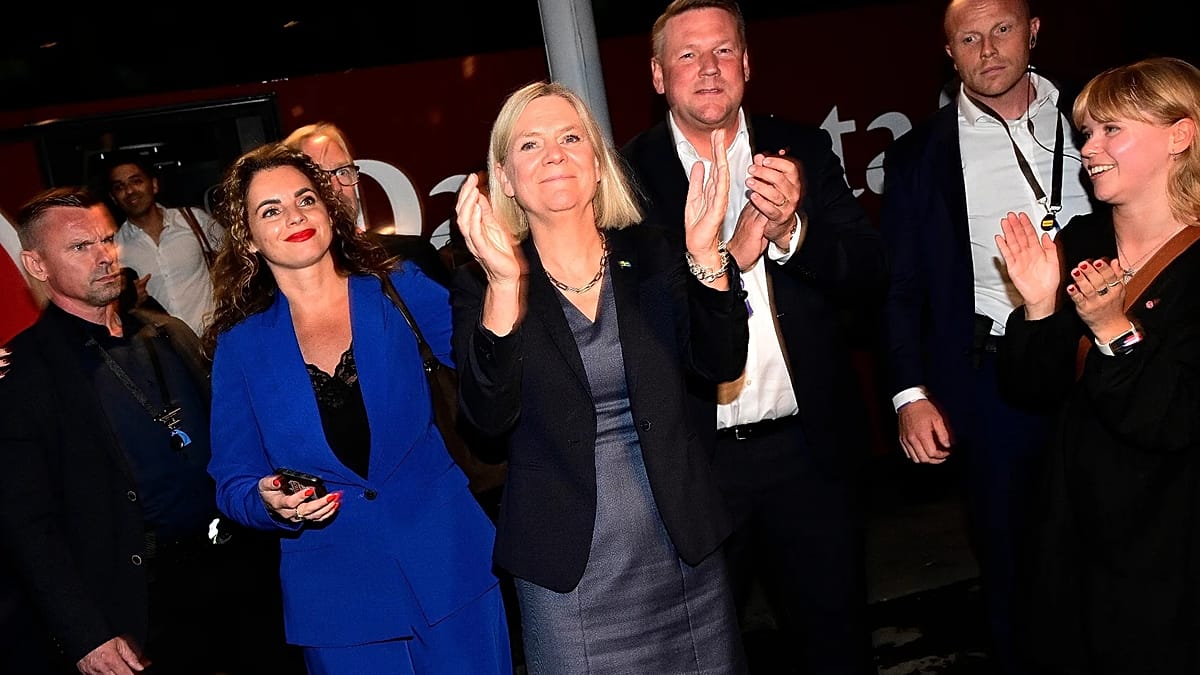
Sweden elected 349 members of the Riksdag on 13 September. The Social Democrats, the Left Party, the Centre Party and the Greens took 176 seats to 173, and Ulf Kristersson resigned as prime minister on 17 September. The four percent threshold kept nobody out: all eight parties cleared it, the Liberals by 1.3 points.

Spain has checked identity and documents on the sea and air links out of Ceuta ever since it joined Schengen, and the Commission says nobody who got in reached mainland Spain or another member state. Italy answered the crossings with a month of checks on non-EU travellers arriving from Spain, and Spain answered back with checks on travellers from Italy until 7 September. Eight Schengen states had internal border controls notified when the Commission's register was read on 9 August.
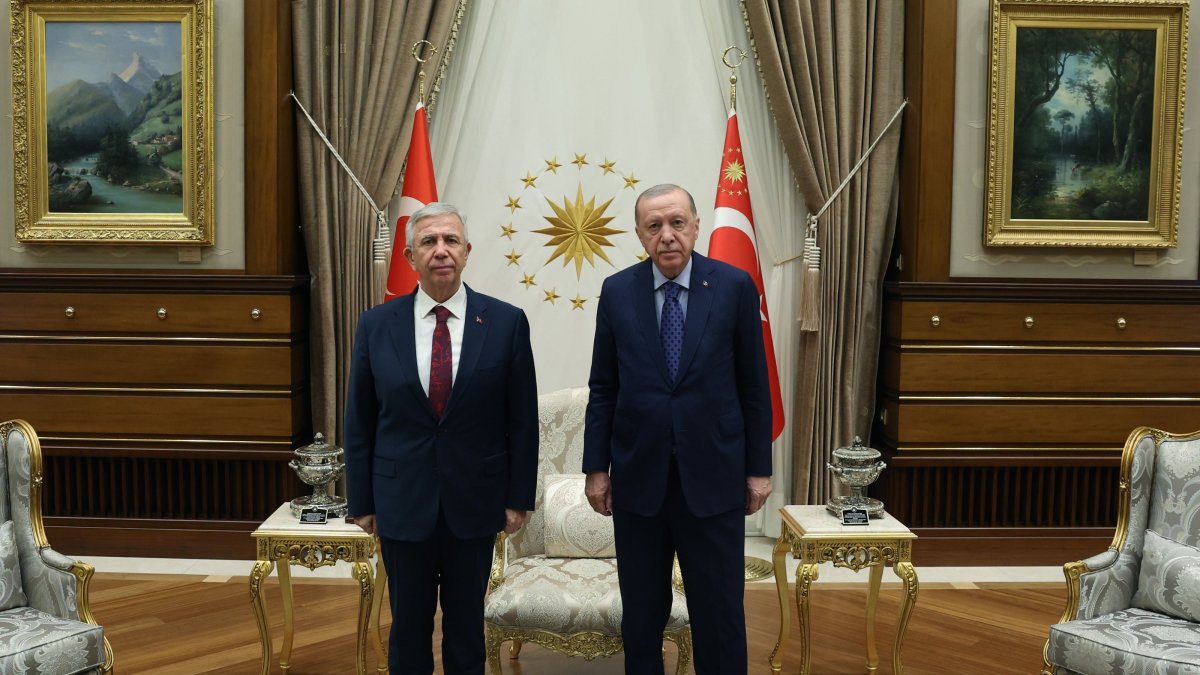
A court ousted the CHP's elected leader, 91 of its 135 lawmakers walked out to found the New Party, and the Treasury money stayed with the CHP because state funding follows votes already cast.

Eight years of residence instead of five, knowledge of Swedish and of Swedish society, and an income of about 20,000 kronor a month. The Riksdag voted transitional provisions down by 147 to 146 on 29 April 2026, so the requirements catch the roughly 100,000 people already in the queue. The Social Democrats promise a law giving them the old rules back.
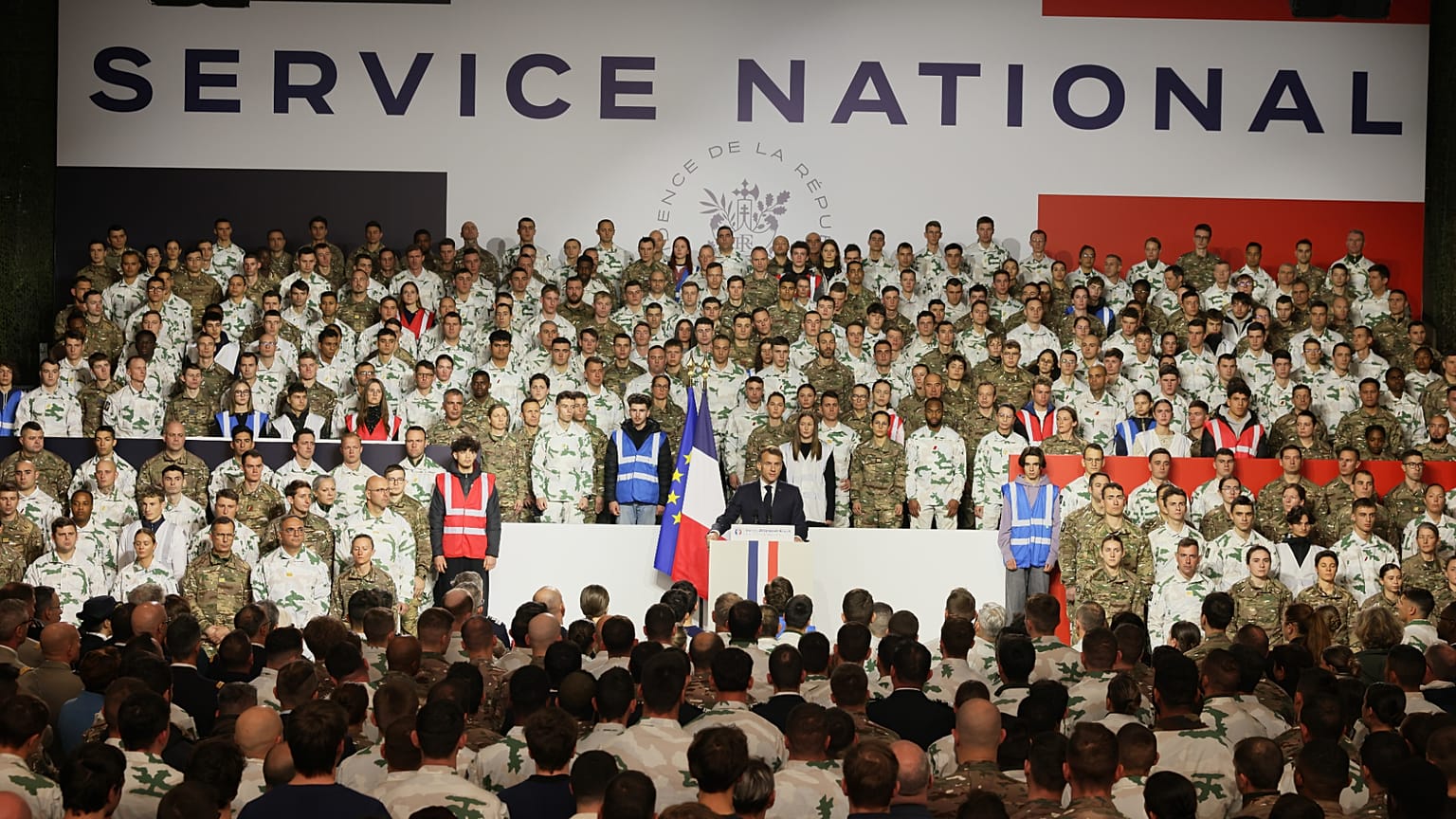
Europe has given itself until 2030 to be able to defend itself. The EU's credit line is open and paying out, and the military associations say their armies cannot recruit or keep enough people.

Israeli settlers and soldiers have killed at least 1,100 Palestinians in the occupied West Bank since 7 October 2023, and on B'Tselem's count one Israeli has been charged over such a killing in that time.
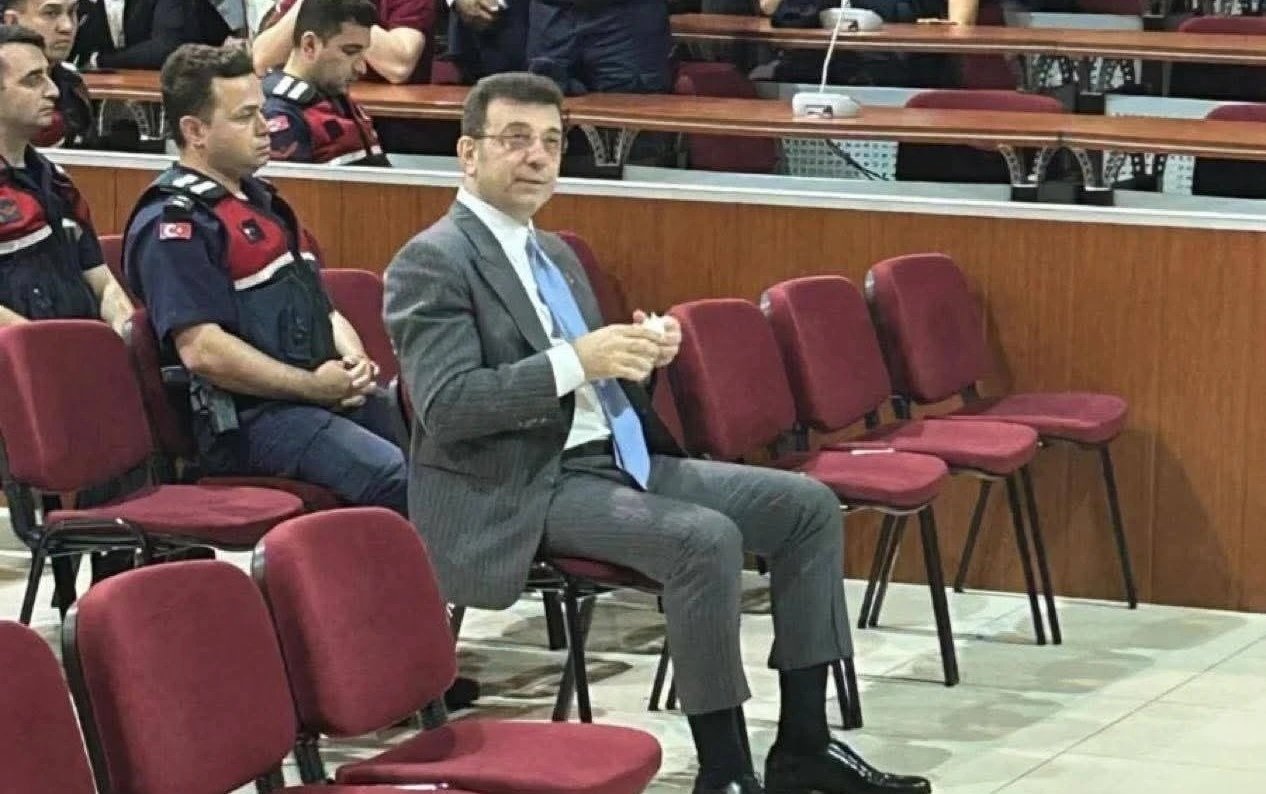
When a Turkish mayor is jailed for corruption, the interior minister suspends them and their own council elects a stand-in. Appointing a trustee is the terrorism route, not the corruption one. The suspension runs to final judgment, and in the Istanbul case the court has given itself up to twelve and a half years.

The ceasefire rests on a twenty-point plan that ties Israeli withdrawal to a disarmament the plan leaves to monitors it never names. A separate agreement in July 2026 was meant to settle the order of steps, and Israel says it never agreed to that one.
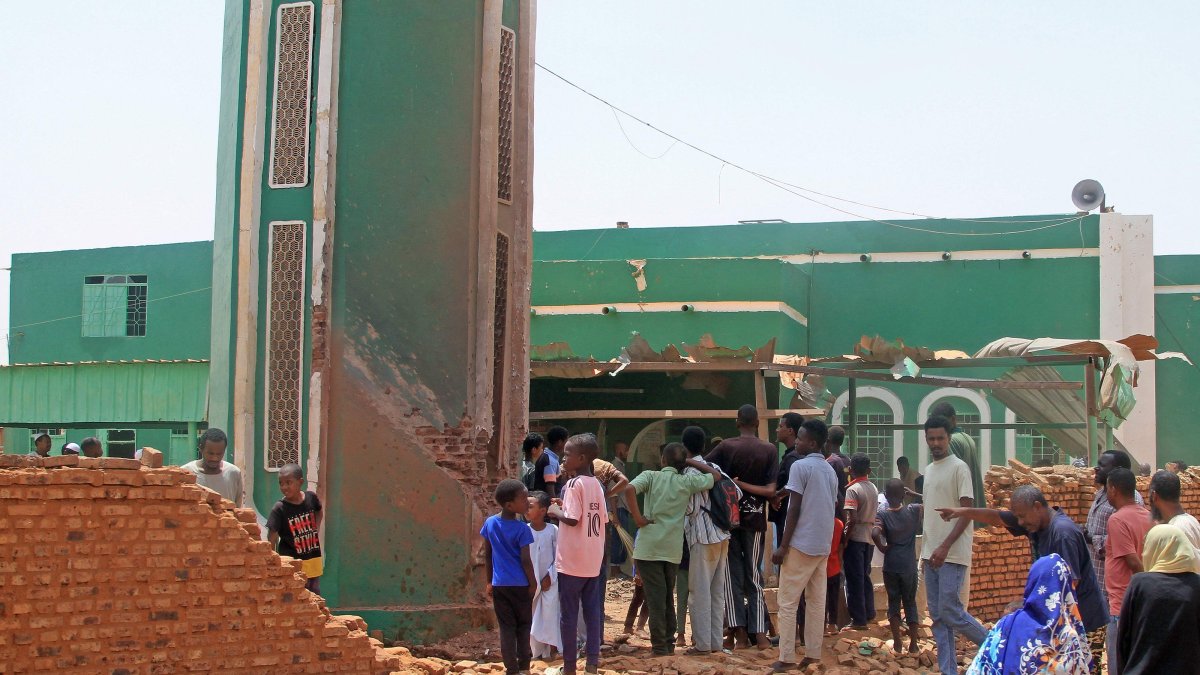
The UN arms embargo on Sudan covers only Darfur, while a UN fact-finding mission says the weapons, drones and foreign fighters that keep the Rapid Support Forces going arrive through Chad, Libya and Somalia.
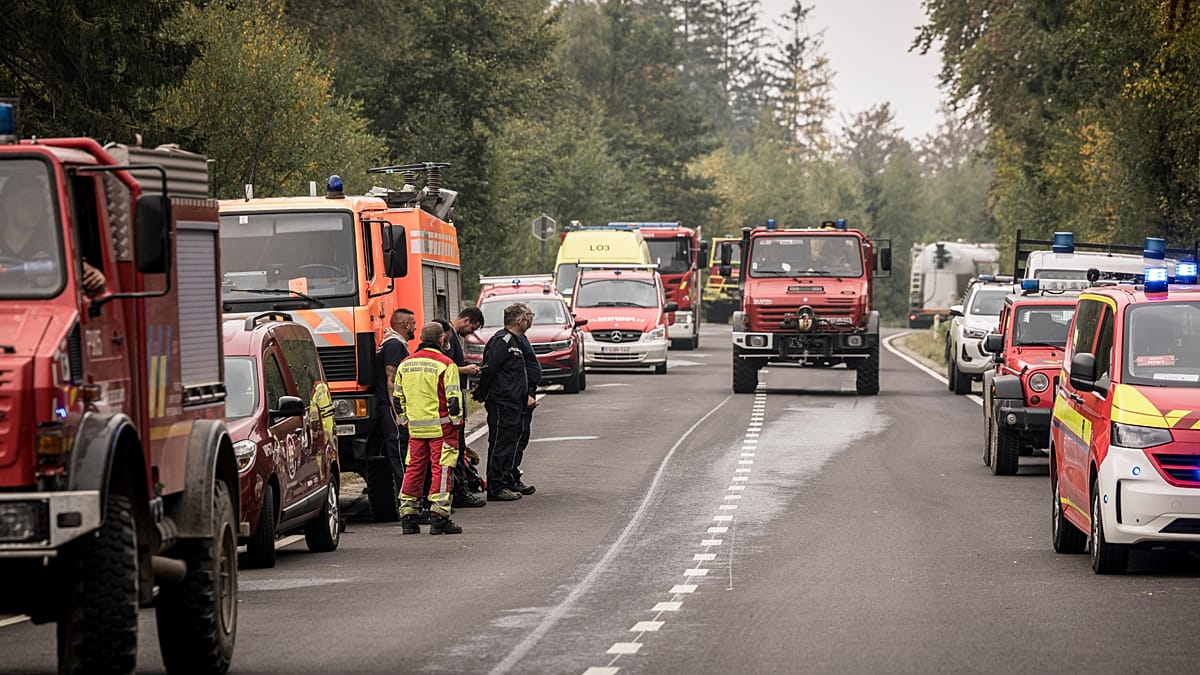
Europe fights its fires with borrowed aircraft: a country that cannot cope asks the emergency response coordination centre in Brussels for help, other countries offer what they can spare, and the EU pays up to three quarters of the cost. The Union's own planes do not arrive until 2028, and the same heat is emptying the rivers the continent ships on.
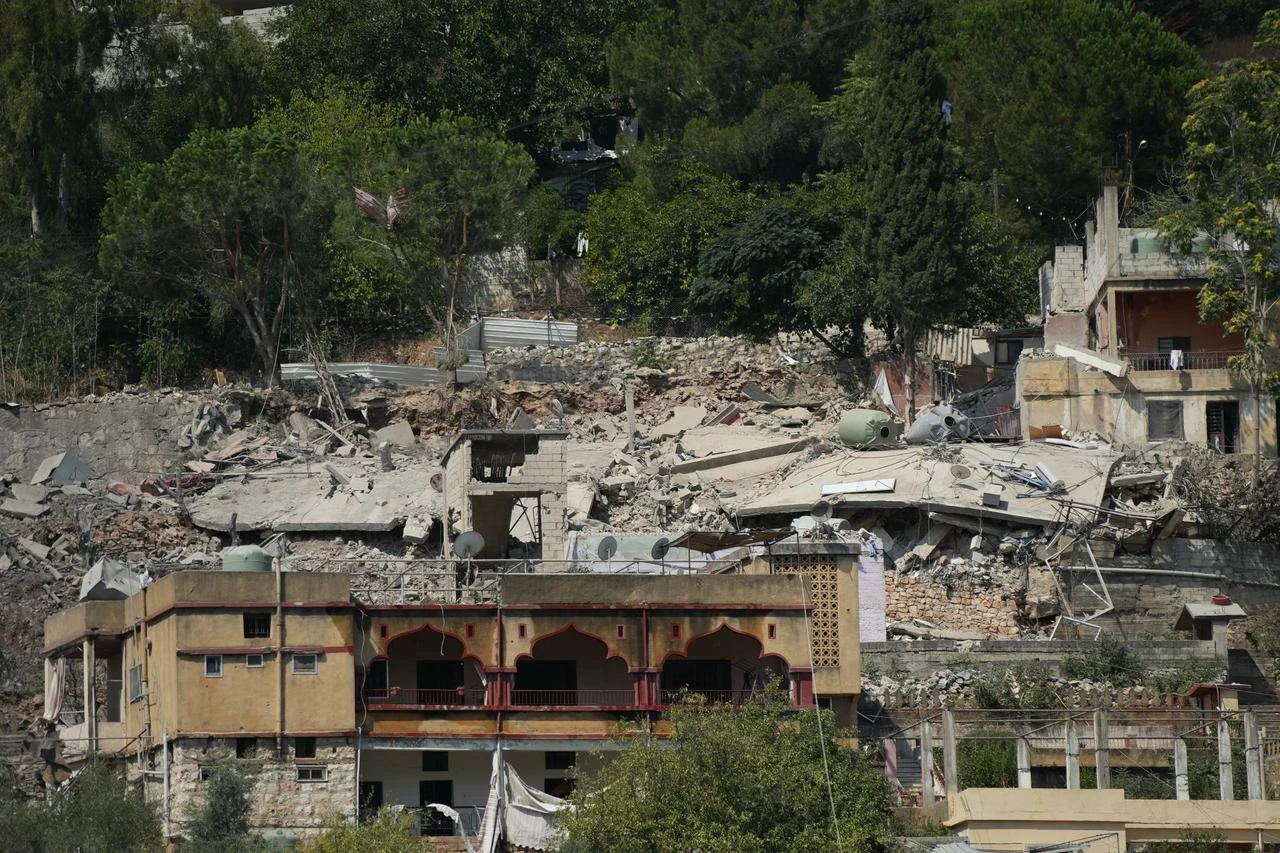
The Security Council has told its peacekeeping force in Lebanon to stop operating on 31 December 2026. By mid-July 2026, on Security Council Report's account, it had still not discussed the three options its own Secretary-General put before it, beyond informal contacts among some members. What replaces UNIFIL turns on two questions nobody has settled: whether Israeli troops leave the ground they hold, and whether Hizbullah gives up its weapons.