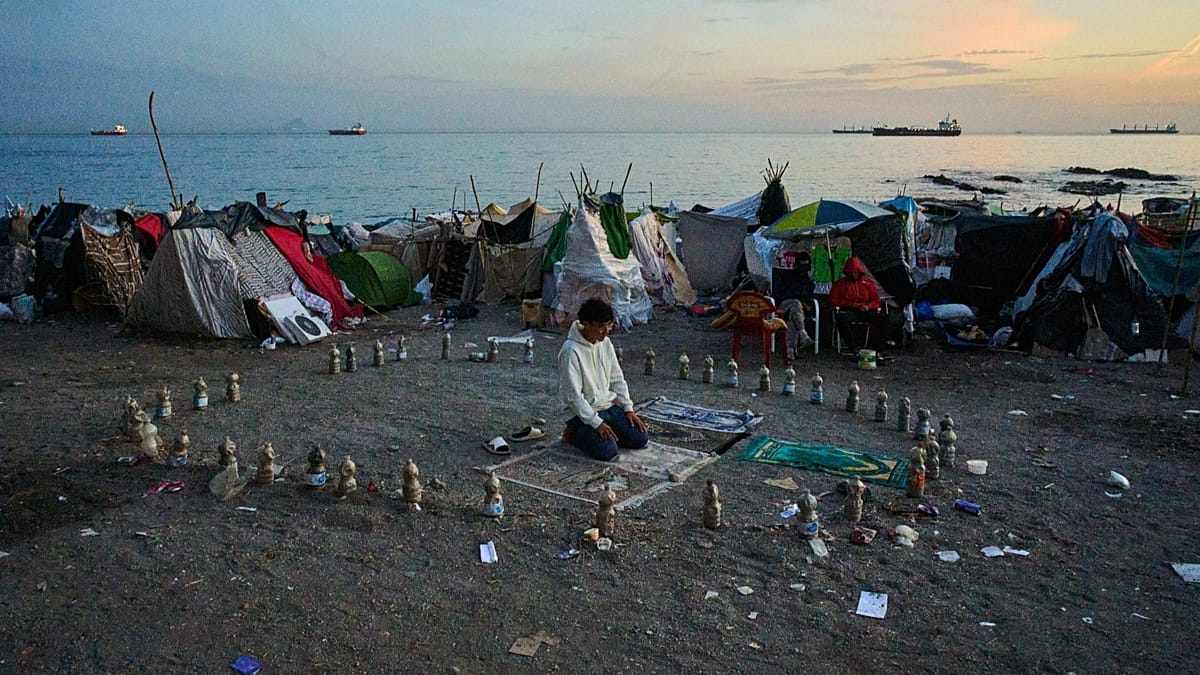
North Korea fired a ballistic missile on October 2 from the port city of Wonsan that flew more than 700 kilometres into the sea, prompting Japan to issue an emergency alert and South Korea to raise its military alert status. The launch follows Kim Yo Jong's rejection of Seoul's apology demands over landmine blasts that injured South Korean soldiers, with Kim declaring the North intends “permanent separation” from the South. The US Pacific Command called the launch no immediate threat to American forces, but Kim's language closes off reconciliation rhetoric the North had at least nominally kept open in recent years.

The Sudanese army said on October 2 it had captured al-Mazroub, describing it as the Rapid Support Forces' largest stronghold in North Kordofan and a town linking the state to RSF-held West Kordofan. An army spokesman said the advance aims to cut the paramilitary group's supply lines between its central and western strongholds. Kordofan has become the war's main battleground since late 2025, so control of that link matters more than the town itself, in a conflict now in its fourth year with no negotiated end in sight.
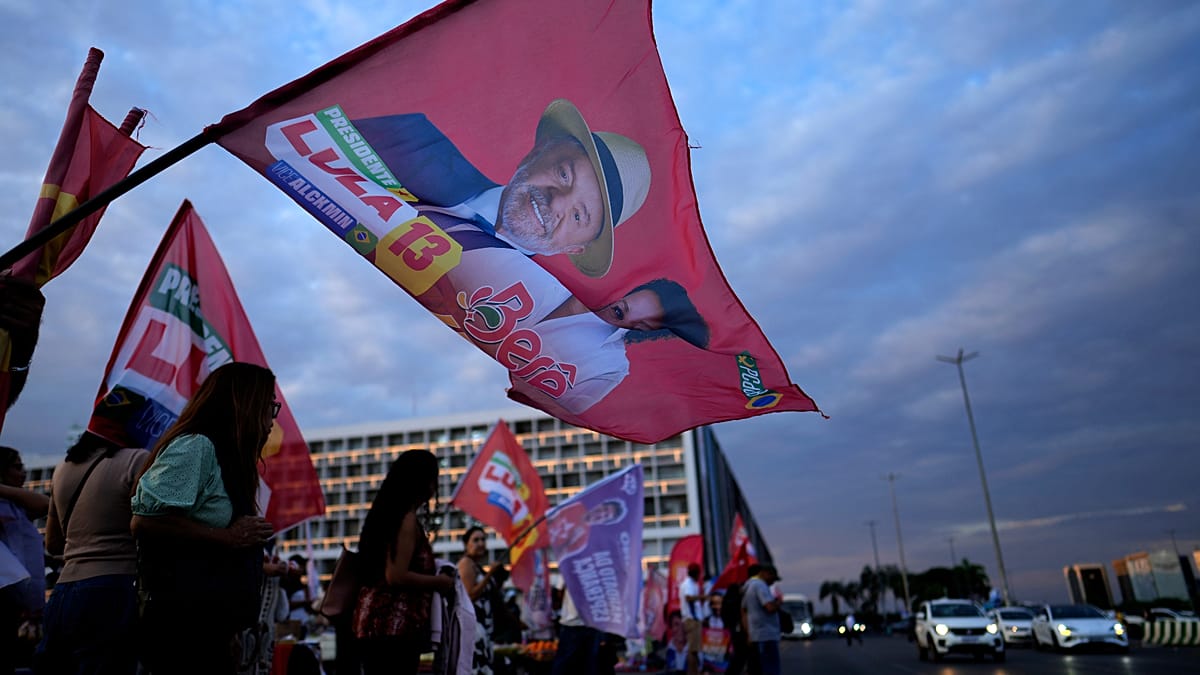
The United States suspended consular services in Brasília on October 2, and Australia closed its embassy the same day; both cited security concerns without elaborating, three days before Brazil's presidential election. Lula da Silva, 80 and seeking a fourth term, and Flávio Bolsonaro, 45, are in a dead heat according to polls, with a runoff expected on October 25 if neither wins outright. Lula's party called the US move politically motivated, a charge that will be hard to settle either way but that lands in a race already shaped by claims of outside interference.
Source:
Euronews · Friday, 2 October 2026